
A ketogenic diet, or “keto” for short, is a low-carbohydrate, high-fat diet that has gained popularity in recent years for its potential health benefits.
The goal of the diet is to put the body into a state of ketosis, in which it begins to burn fat for fuel instead of glucose (derived from carbohydrates).
A typical ketogenic diet involves drastically reducing carbohydrate intake to less than 50 grams per day and increasing fat intake to around 70-80% of daily calories.
This typically means consuming high-fat foods such as meat, fish, eggs, dairy products, oils, and nuts, while avoiding or limiting high-carbohydrate foods such as bread, pasta, rice, potatoes, and sugary foods.
The keto diet has been associated with a number of potential health benefits, including weight loss, improved blood sugar control, reduced inflammation, and improved cognitive function.
However, it’s important to note that the diet may not be suitable for everyone, and individuals should consult with a healthcare professional before making any significant dietary changes
Examples of a keto diet menu
If you’re interested in trying the keto diet, one of the most important things you’ll need to do is plan out your meals and snacks to ensure that you’re getting enough healthy fats while keeping your carbohydrate intake low.
In this article, we’ll provide a sample keto diet menu to help get you started.
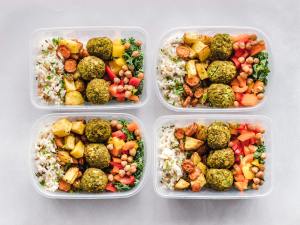
keto breakfast
Scrambled eggs cooked in butter or coconut oil
Avocado slices
Bacon or sausage
keto lunch
Grilled chicken or salmon
Mixed greens with olive oil and vinegar dressing
Cauliflower rice or zucchini noodles
keto snack
Cheese slices or cubes
Almonds or macadamia nuts
Celery sticks with cream cheese or peanut butter
keto dinner
Beef or pork stir-fry with broccoli, mushrooms, and bell peppers cooked in coconut oil
Side salad with mixed greens, cherry tomatoes, and cucumbers
Avocado or olive oil for dressing
keto dessert
Sugar-free jello or pudding made with heavy cream
Berries topped with whipped cream
It’s important to note that the keto diet can be challenging to follow, especially in the beginning when you may experience carbohydrate withdrawal symptoms.
However, with careful planning and preparation, it is possible to stick to the diet and reap its potential health benefits.
When following the keto diet, it’s also important to make sure you’re getting enough vitamins and minerals.
Consider taking a daily multivitamin and mineral supplement to ensure that your body is getting all the nutrients it needs.
Additionally, be sure to drink plenty of water and other fluids to stay hydrated.
In summary, the keto diet can be a powerful tool for weight loss and improved health, but it requires careful planning and preparation.
Use this sample menu as a starting point, and be sure to consult with a healthcare professional before making any significant dietary changes.
 Wauguzikenya
Leave a comment